A new iPhone launches and, almost immediately, people start talking. Some compare the new models, others watch the launch, and plenty begin thinking about an upgrade even though the phone they already own works perfectly well.
The product itself is part of the appeal, of course. But iPhone branding tells us something more interesting. Apple has reached a point where people have an idea of what its products represent before they even use them. That kind of recognition takes years to build, but there is plenty businesses can learn from it.
Why Does a New iPhone Create So Much Interest?
People don't respond to the Apple logo simply because they like the shape of it. They respond to everything they've come to associate with it.
Apple sits comfortably in the premium space. Design, quality, status, and innovation have all become part of how people see the brand. So buying an iPhone isn't always just about needing a new phone. For some, there is also the appeal of owning an Apple product.
The new iPhone Duo gives Apple something else to talk about. A foldable iPhone is a noticeable departure from the familiar format, but it still looks and feels part of Apple. That's an interesting position for any established brand to reach: being able to do something new without losing what people recognize.
None of this came from making the Apple logo look expensive. The meaning behind that logo was built through the products themselves, along with the advertising, packaging, stores, launches, pricing, and experience around them.
A Logo Is More Than the Mark Itself
Every business needs something people can recognize, and the logo is often at the center of that. But its real value comes from everything people experience around it.
Color, typography, graphics, photography, language, and the quality of the product or service all influence what customers eventually associate with that mark. This is part of the importance of branding for business. Recognition grows when those details repeatedly point back to the same company.
For a premium business, the product or service has to live up to the image too. Beautiful branding might create the first impression, but the experience that follows is what gives that impression meaning.
Consistency Is What Makes a Brand Familiar
Think about how someone discovers a business today. They might see it on Instagram, visit its website a few days later, come across an ad, and eventually experience it in person.
Those shouldn't feel like four different companies. The content can change without the brand becoming unrecognizable.
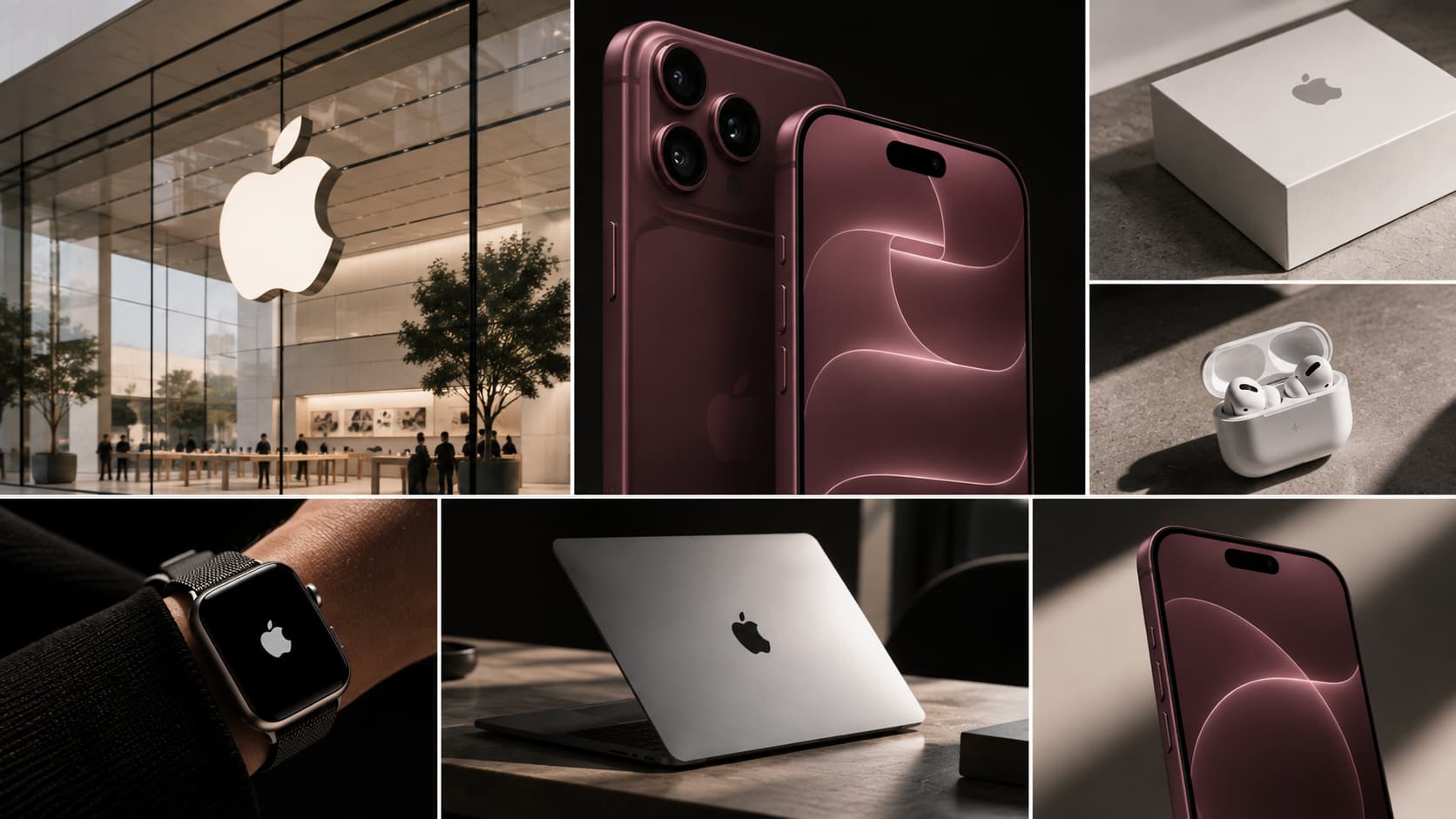
Apple is a good example. Its stores, packaging, website, advertising, and products aren't identical, but you rarely need to be told which brand you're looking at.
Apple Built More Than a Product Range
Then there is the ecosystem.
Buy an iPhone and it can sit alongside your AirPods, Apple Watch, Mac, iCloud, Find My, and other Apple services. Devices work together, files and photos move between them, and another Apple product can start making sense because of the ones you already own.
That's where Apple becomes more than the phone in someone's pocket. It can become part of how they work, listen to music, communicate, find their devices, and store their photos.
A business doesn't need Apple's enormous product range to learn from that. Sometimes the opportunity is simply to ask what happens after somebody buys from you. Is there another service, experience, product, or reason for them to stay within your world?
Your Website Has to Live Up to the Brand
For many businesses, the website is where interest becomes more serious.
Someone might arrive after seeing the brand on social media or hearing about it from a friend. If the website suddenly feels dated, confusing, or completely disconnected from everything else, the impression changes.
It doesn't need to be complicated. It needs to feel like the same business.
Branding Isn't Something to Think About Later
For a startup, branding can easily sit behind more immediate priorities like the product, sales, and finding customers.
But the importance of branding for business begins before a company becomes established. You don't need an enormous brand system from day one. You do need some idea of how you want people to see you, what you want to be known for, and how that should come through visually.
Otherwise, those decisions get made accidentally.
What iPhone Branding Can Teach Businesses
Apple is an extreme example, and most businesses aren't trying to build the next Apple.
What makes it interesting is how much meaning now sits behind something as simple as its logo. The product has changed repeatedly. Now, with the iPhone Duo, even the familiar format is changing. Yet the brand around it remains recognizable.
That is ultimately what businesses should be building toward: not sameness, but recognition strong enough to leave room for change.
Building a Brand People Remember
Branding isn't decoration around the business. It affects what people notice first, what they expect next, and what stays with them afterwards.
At Aimstyle, that's the thinking we bring to brand strategy, identity, websites, and digital experiences. Not simply making something look better, but making sure the different parts feel like they belong to the same brand.
If your business has outgrown the way it presents itself, or you're building something new with bigger ambitions, get in touch with Aimstyle and let's shape what people will remember.